
Healthcare - B2C
Cochlear
Overview
Enhancing Engagement Across the Implant Journey
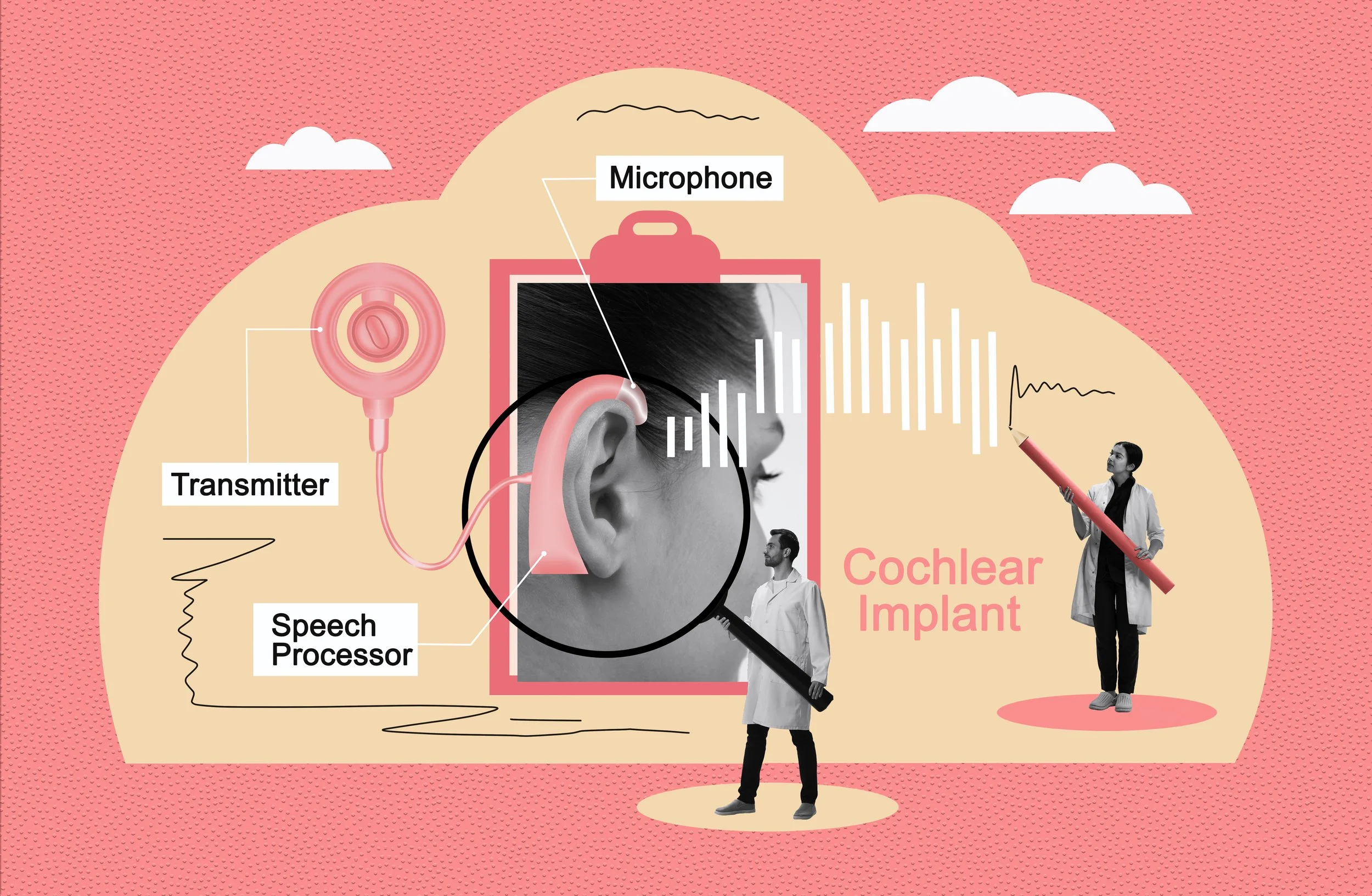
Cochlear, a leader in implantable hearing technology wanted to better understand how recipients, especially senior adults interact with their cochlear implants after surgery. The assumption: a more engaged recipient leads to better outcomes and greater likelihood of upgrades.
I was brought on as a qualitative research initiative focused on uncovering when, how, and why recipients choose to engage with both the technology and Cochlear’s support ecosystem.
Objectives
Define recipient engagement
What does it mean to be “engaged” after implantation?
Uncover key engagement moments
What support do recipients need short, and long-term?
Understand clinician influence
How do healthcare providers impact recipient decisions, bahaviors, and upgrade potential?
My Role & Approach
As the UX researcher and designer, my aim was to map and redesign user engagement across the post-implant ecosystem:
User Research
Conducted 14 in-depth interviews with cochlear implant recipients (across Nucleus, Baha, and Kanso devices) to understand post-implant needs, behaviors, and emotions, particularly among senior users.
Persona Development & Journey Mapping
Synthesized insights into distinct recipient personas and mapped out their engagement journeys, identifying pain points, emotional stages, and opportunities for proactive digital support
Stakeholder Alignment & Strategy
Collaborated with cross-functional teams to define engagement goals, with a focus on integrating clinician workflows and identifying key digital touchpoints for both short-term candidates and long-term users.
Key Research Insights
Living with a Sound Processor
Recipients adapt passively over time, averaging ~30 minutes/week, managing their devices
Initial activation is memorable, ranging from overwhelming to exciting
Pain points include background noise, sound localization, dislodged magnets, and difficulty with accessories (e.g. using headphones)
“I could hear again. I could hear my children. I went back to school.” - Jennifer M
Early Training Is Crucial
- The first 30 days post-activation are make-or-break
- Highly engaged users completed daily listening exercises using paper booklets or 3rd-party apps (like Angel Sound)
- Recipients who skipped training often experienced long-term limitations
Ongoing Education Slows Down Over Time
- Most recipients settle into passive routines after 6-12 months
- Some still desire reminders, maintenance tips, or training refreshers
- A few recipients become “super users", diving into audiology textbooks or device tuning-but these are the exception
Engagement Styles Vary
- Two primary engagement types
- Active Seekers: Proactively research, attend events, ask questions
- Passive Consumers: Read newsletters and materials only when sent
- Both groups value community-but want different level of involvement
Clinicians Are Influential—But Underused
- Clinicians play a vital role pre-surgery, but post-activation, they fade into a routine support role
- Some recipients switched clinicians due to dissatisfaction
- Opportunities exist to integrate clinicians more actively in digital engagement
Upgrade Awareness is Scattershot
- Recipients hear about upgrades through clinicians, Cochlear, or insurance providers
- Many follow rumors on social media due to lack of proactive outreach
- They want clarity on eligibility, timelines, and new product features
Communication Needs a Reboot
Most recipients only recall a monthly newsletter
They want more technical content, not just feel-good stories
Cochlear is trusted for product info, but peers and clinicians are preferred for real-life scenarios
“I want the tech stuff. I want to know how to make my device better”. - Barry D
Recommendations
-
Tailor communication by engagement style
Let users choose frequency and format (email, app notifications, etc.)
Segment by device type, time since activation, and upgrade eligibility
-
Add offline functionality, training content, and maintenance reminders
Support logging of maintenance activity (e.g. mic cover changes)
Include push notifications and upgrade alerts
-
Relaunch “Cochlear Family” as a modern peer-support hub
Offer moderated forums, Zoom calls, and local meetups
Highlight recipient-driven tips and stories, not just marketing content
-
Create more technical, scenario-specific, and real-life guidance
Map content cadence to journey stages: early learning, passive use, upgrade phase
Pull in trusted third-party sources (NIH, peer-reviewed research)
Engaged Recipient Persona
Active, curious, and eager to help others
Wants more control over their hearing journey
Needs actionable, trustworthy, and personalized content
Often feels Cochlear’s materials lack depth and resort to third-party sources
Impact
This project provided Cochlear with a foundational roadmap for redesigning its recipient engagement model. The insights informed content strategy, app improvements, community planning, and personalized outreach, all tailored to how real users live with their devices.